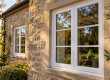
uPVC Window Won’t Close Properly? Here Are Some Proven Fixes
If your uPVC window won’t close properly, the problem could be caused by worn hinges, a dropped window sash, damaged seals or a faulty locking mechanism. What starts as a stiff handle can eventually become a frustrating issue that affects your home’s comfort and security.
Many homeowners across Bradford, Leeds and West Yorkshire experience difficulties with ageing windows. However, not every problem requires a complete replacement.
At Glass Tec Windows, we manufacture made-to-measure uPVC windows in Bradford and supply glazing solutions across Yorkshire.
In this guide, we’ll explain why a uPVC window won’t close properly, seven common causes, and how you can decide whether a repair or replacement is the best solution.
1. Worn or Damaged Window Hinges
One of the most common reasons a uPVC window won’t close properly is worn or damaged hinges.
Hinges support the opening section of your window and allow it to move smoothly. Over time, constant opening and closing can gradually wear down these components.
When hinges become loose or damaged, your window may no longer sit correctly within its frame.
Signs of Faulty Hinges
- The window catches against the frame.
- You need to lift the window before closing it.
- The sash looks uneven.
- The window feels unusually stiff.
- There are visible gaps around the edges.
How to Fix It
Start by checking the hinges for visible dirt, corrosion or damage.
If dirt has accumulated, carefully clean the accessible areas using a soft brush or cloth.
Minor stiffness may improve with suitable maintenance. However, damaged hinges usually require professional adjustment or replacement.rate.
If your hinges are significantly damaged, avoid forcing the window shut.
2. The Window Sash Has Dropped
If your uPVC window won’t close properly, the opening sash may have dropped out of alignment.
This happens when the opening section no longer sits squarely within the surrounding frame.
It can result from worn hinges, loose hardware or installation-related problems.
When the sash drops, the bottom section may rub against the frame, making it difficult to close.
How to Identify a Dropped Window
Look closely at the gaps surrounding your window.
If one side appears lower than the other, the sash may have moved out of alignment.
You might also notice scraping marks or difficulty engaging the locking mechanism.
How to Fix It
Some windows can be realigned through adjustments to their hardware.
However, adjustment methods vary between manufacturers and window systems.
A professional window specialist can inspect the fittings and restore the correct alignment where possible.
If the problem keeps returning, the hinges or frame may need further attention.
3. The Window Handle Is Jammed
Another reason a uPVC window won’t close properly is a faulty handle or internal locking mechanism.
Many modern uPVC windows use multipoint locking systems.
When you turn the handle, several locking components engage with corresponding fittings around the frame.
If these components become worn or damaged, the handle may become difficult to turn.
Common Symptoms
- The handle feels stiff.
- The handle turns but doesn’t lock.
- The mechanism makes unusual clicking noises.
- The handle stops halfway.
- The handle feels loose.
How to Fix It
First, check whether the window is positioned correctly.
If there is visible dirt around accessible moving parts, carefully remove it.
Some locking components may benefit from manufacturer-approved lubrication.
However, avoid forcing a handle that refuses to move.
Doing so could damage the internal gearbox or other locking components.
A repair specialist can determine whether the handle, gearbox or locking mechanism requires replacement.
4. Dirt and Debris Are Blocking the Frame
Sometimes, a uPVC window won’t close properly because dirt or debris has accumulated around the frame.
Dust, small leaves and other particles can collect around window hinges and channels.
Over time, these obstructions may interfere with normal operation.
Fortunately, this is one of the easiest problems to investigate.
How to Fix It
Open the window only as far as it moves comfortably.
Inspect accessible areas around the frame for dirt or debris.
Use a soft brush or vacuum attachment to remove loose particles.
Then wipe the frame using a damp cloth and a mild cleaning solution suitable for uPVC.
Avoid sharp tools, abrasive cleaners or excessive force.
Once the area is clean, gently check whether the window closes normally.
If the problem remains, further inspection may be required.
Regular window cleaning can help prevent dirt-related problems and keep your frames looking their best.
5. The Locking Mechanism Is Misaligned
If your uPVC window won’t close properly, the locking mechanism may no longer line up correctly with its fittings.
This often happens when the window sash becomes slightly misaligned.
You may find that the window appears to shut but refuses to lock securely.
Alternatively, the handle may become difficult to turn when the window is closed.
How to Fix It
Inspect whether the sash is sitting evenly within the frame.
Do not force the handle into position.
Misaligned locking components may require adjustment or replacement by a professional.
If the window cannot be secured, arrange repairs promptly, especially if it is easily accessible from outside.
A correctly functioning locking mechanism is important for everyday home security.
6. Damaged Rubber Window Seals
Another possible reason a uPVC window won’t close properly is damaged or displaced rubber seals.
Window seals, also known as gaskets, help create a barrier between the opening sash and the frame.
They play an important role in reducing unwanted draughts and water penetration.
Over time, rubber seals can become hardened, cracked or loose.
If sections move out of position, they may interfere with the window when closing.
Warning Signs
- Rubber seals appear loose.
- There are visible cracks.
- The window feels draughty.
- Rainwater enters around the opening.
- The sash doesn’t sit evenly against the frame.
How to Fix It
In many cases, damaged window seals can be replaced without replacing the entire window.
However, the new gasket must match the existing window profile.
Using an incompatible seal may prevent the window from operating correctly.
A glazing specialist can identify suitable replacement seals and assess the condition of the frame.
If the seals are damaged alongside other serious faults, replacing the window may be worth considering.
7. The uPVC Window Frame Is Distorted
If your uPVC window won’t close properly even after the hardware has been inspected, the frame or sash itself may be distorted.
Although uPVC is designed for long-term performance, windows can develop problems due to installation defects, structural movement, damage or prolonged stress.
Significant distortion may prevent the opening sash from lining up correctly.
Signs of Frame Problems
- Uneven gaps around the window.
- Persistent difficulty closing.
- Visible changes in the frame’s shape.
- Repeated alignment problems.
- Damage around joints or corners.
How to Fix It
Minor problems may be corrected through professional adjustment.
However, significant distortion can make reliable repairs difficult.
If the frame is extensively damaged, replacement may provide a better long-term solution.
Modern made-to-measure uPVC windows can help restore smooth operation, weather protection and security when correctly manufactured and installed.
Should You Repair or Replace Your uPVC Window?
When a uPVC window won’t close properly, replacing the complete window isn’t always necessary.
Many common problems can be repaired by replacing individual components.
For example, worn hinges, faulty handles and damaged seals may be relatively straightforward to repair.
However, older windows with multiple problems may no longer offer the best value.
Consider the following:
| Window problem | Recommended approach |
|---|---|
| Loose hinges | Repair or replace hinges |
| Dropped sash | Professional realignment |
| Faulty handle | Repair or replace hardware |
| Dirty frame | Clean accessible areas |
| Damaged seals | Replace compatible gaskets |
| Misaligned locks | Professional adjustment |
| Severely distorted frame | Consider replacement |
The right choice depends on the overall condition of the window.
If the frame remains structurally sound and only one component has failed, repairing it may be the most economical option.
However, if several parts are deteriorating, new windows may provide better long-term reliability.
Why You Shouldn’t Ignore a Faulty Window
A window that doesn’t close correctly can create several problems.
Unwanted Draughts
Gaps around the frame can allow cold outside air into your property, making rooms less comfortable.
Reduced Security
A window with a faulty locking mechanism may not provide its intended level of protection.
Water Ingress
Poorly closing windows may allow wind-driven rain to enter around the frame.
Additional Damage
Forcing a misaligned window shut can place unnecessary stress on hinges, handles and locking components.
Addressing the underlying problem early may help prevent more extensive repairs.
Replacement uPVC Windows in Bradford and Leeds
If your uPVC window won’t close properly and repairs are no longer practical, Glass Tec Windows can help you explore suitable replacement options.
We manufacture made-to-measure uPVC windows in Bradford and provide glazing solutions throughout West Yorkshire.
Our service areas include:
Made-to-Measure Manufacturing
Every property is different.
Our made-to-measure manufacturing approach allows replacement windows to be produced according to the required dimensions and agreed specification.
Double and Triple Glazing
We offer glazing options for homeowners looking to improve comfort, appearance and thermal performance.
The most suitable specification depends on your property and individual requirements.
Local Window Specialists
As a Bradford-based window manufacturer, Glass Tec Windows understands the needs of homes across Yorkshire.
Whether you’re replacing a single faulty window or upgrading several windows throughout your property, our team can help you explore suitable products.
Visit Glass Tec Windows to learn more.
Frequently Asked Questions
Why won’t my uPVC window close at the top?
Worn hinges, misaligned hardware or a dropped sash could be responsible. A professional inspection can help identify the exact cause.
Can a uPVC window that won’t close be repaired?
Yes. Many window closing problems can be repaired through hardware adjustment or replacement. However, severely distorted frames may require replacement.
Why do I have to lift my window to close it?
This often indicates that the sash has dropped out of alignment, potentially because of worn hinges or loose fittings.
Can cold weather affect uPVC windows?
Temperature changes can cause materials to expand or contract slightly. Existing alignment problems may become more noticeable during extreme temperatures.
How long do uPVC windows last?
The lifespan varies depending on manufacturing quality, installation, exposure and maintenance. Individual components may need replacing before the complete window reaches the end of its useful life.
Final Thoughts
If your uPVC window won’t close properly, the issue may be easier to resolve than you expect.
From worn hinges and damaged seals to faulty locking mechanisms, several common problems can often be repaired without replacing the complete window.
However, when frames become significantly damaged or repairs are repeatedly unsuccessful, replacement may be worth considering.
At Glass Tec Windows, we manufacture made-to-measure uPVC windows in Bradford and provide glazing solutions across Yorkshire.
Need replacement windows in Bradford, Leeds or the surrounding areas?
Visit Glass Tec Windows to explore our products or request a quotation for your property.