24mm vs 28mm Double Glazing: What Is the Difference?
When choosing replacement windows or sealed glass units, understanding the difference between 24mm vs 28mm double glazing can help you make the right decision for your property. Although the difference is only 4mm, the thickness of a sealed glass unit can influence frame compatibility, insulation and overall window performance.
Many homeowners assume thicker double glazing automatically provides better energy efficiency. However, that is not always the case. The performance of double glazing depends on several factors, including cavity width, Low-E coatings, gas filling and spacer bar technology.
At Glass Tec Windows, we manufacture and supply glazing products for customers across Bradford and West Yorkshire.
In this guide, we explain how 24mm vs 28mm double glazing compares, what influences performance and how to select the correct glazing specification.
What Does 24mm vs 28mm Double Glazing Mean?
The measurements 24mm and 28mm refer to the total thickness of a sealed double-glazed unit.
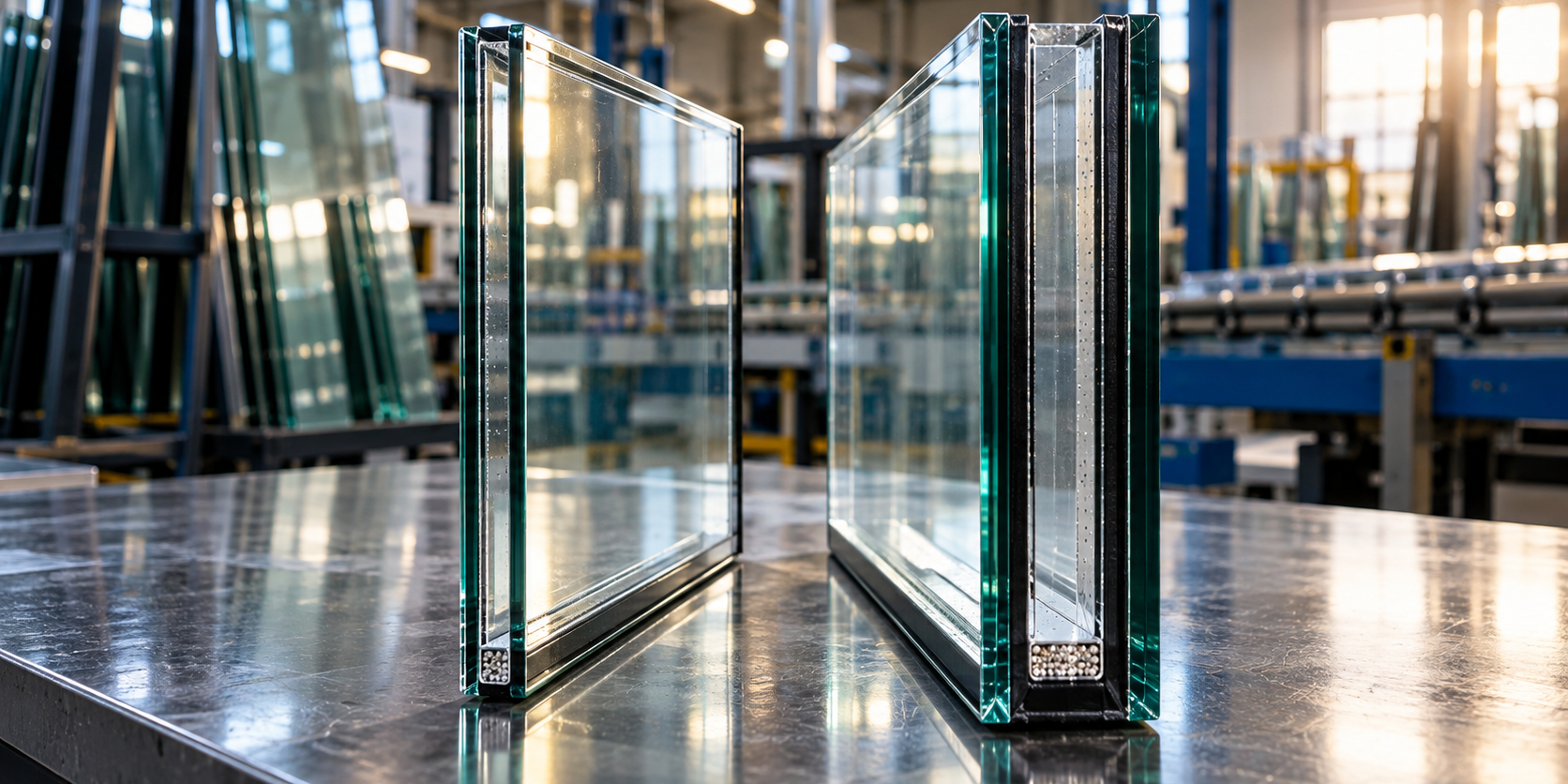
A standard double-glazed unit contains two panes of glass separated by an insulating cavity. This cavity is sealed and may contain dry air or an insulating gas such as argon.
For example, a 24mm double-glazed unit could contain:
- First glass pane: 4mm
- Insulating cavity: 16mm
- Second glass pane: 4mm
- Total thickness: 24mm
A 28mm double-glazed unit could contain:
- First glass pane: 4mm
- Insulating cavity: 20mm
- Second glass pane: 4mm
- Total thickness: 28mm
These are common examples rather than fixed specifications. Different combinations of glass thickness and cavity width can produce the same overall dimensions.
When comparing 24mm vs 28mm double glazing, it is important to understand that thickness alone does not determine the quality of the product.
What Is the Main Difference Between 24mm and 28mm Double Glazing?
The most obvious difference is the overall thickness of the sealed unit.
However, this difference can affect which window frames are compatible with the glazing and how the unit is constructed.
| Feature | 24mm double glazing | 28mm double glazing |
|---|---|---|
| Overall thickness | 24mm | 28mm |
| Example construction | 4-16-4 | 4-20-4 |
| Low-E glass | Available | Available |
| Argon gas | Available | Available |
| Safety glass | Available | Available |
| Thermal performance | Depends on specification | Depends on specification |
| Acoustic performance | Depends on specification | Depends on specification |
| Frame compatibility | System dependent | System dependent |
Neither thickness is automatically superior.
The correct option depends on the type of window, glazing requirements and the performance characteristics of the complete sealed unit.
A properly manufactured 24mm unit with suitable insulating components may offer better thermal performance than a differently specified 28mm unit.
This is why 24mm vs 28mm double glazing should be compared using complete product specifications rather than thickness alone.
Is 28mm Double Glazing More Energy Efficient?
Energy efficiency is one of the biggest considerations when choosing between 24mm vs 28mm double glazing.
Many people believe a larger cavity automatically provides better insulation. Although cavity width influences thermal performance, making the cavity wider does not always improve the result.
The energy efficiency of double glazing depends on how effectively the sealed unit limits heat transfer.
Several components contribute to this performance.
How Cavity Width Affects Thermal Insulation
The cavity between the two glass panes helps reduce heat transfer compared with single glazing.
Increasing the cavity width can improve thermal performance under certain conditions.
However, the relationship between cavity width and insulation is not unlimited.
If the cavity becomes too wide for a particular gas and glazing configuration, convection within the space can reduce the expected insulating benefit.
This means a 28mm unit with a 20mm cavity does not automatically provide better insulation than a 24mm unit with a 16mm cavity.
When comparing 24mm vs 28mm double glazing for energy efficiency, the design of the complete sealed unit matters more than the thickness measurement alone.
Why Low-E Glass Matters
Low-emissivity glass, commonly called Low-E glass, contains a specialised coating designed to reduce radiant heat transfer.
This technology helps improve the insulating performance of double glazing.
Both 24mm and 28mm sealed units can include suitable Low-E coatings.
A correctly specified 24mm unit with Low-E glass may therefore perform better than a 28mm unit without an equivalent coating.
Our guide to Low-E glass explains how these coatings contribute to modern window insulation.
Does Argon Gas Improve Insulation?
Argon gas is commonly used in double-glazed units because it can reduce heat transfer compared with ordinary air when used in a suitable cavity.
However, the effectiveness of argon also depends on the spacing between the panes.
When deciding between 24mm vs 28mm double glazing, ask your supplier about the complete glass construction, including the gas filling and verified thermal performance.
Can You Replace 24mm Double Glazing With 28mm?
Replacing 24mm double glazing with 28mm double glazing may be possible, but compatibility with the existing window frame must be checked.
Window frames are manufactured to accommodate particular glazing thicknesses and component arrangements.
A frame originally designed for a 24mm sealed unit may not accept a 28mm replacement without suitable compatible components.
In some systems, the change may not be supported at all.
Why Window Frame Compatibility Is Important
The glazing system must hold the glass securely while maintaining the intended weather seal.
Several components influence compatibility, including:
- Glazing beads
- Window gaskets
- Frame profiles
- Glazing packers
- Supporting and drainage arrangements
Installing glass that does not match the frame specification may affect how the window performs.
Before ordering replacement glazing, the existing system should be assessed by a competent glazing professional.
For customers comparing 24mm vs 28mm double glazing, frame compatibility should always be considered before attempting to upgrade the thickness.
Glass Tec Windows manufactures double-glazed sealed units to different specifications for replacement glazing and trade applications.
Does 28mm Double Glazing Reduce More Outside Noise?
Noise reduction is another important consideration when comparing 24mm vs 28mm double glazing.
A common assumption is that thicker double glazing automatically provides better sound insulation.
However, acoustic performance depends on more than overall sealed-unit thickness.
Different glass constructions respond differently to external noise.
Glass Thickness and Acoustic Performance
Using glass panes with different thicknesses can influence how sound passes through a sealed unit.
For example, a specialist acoustic configuration may use two panes with different thicknesses rather than matching panes.
This can affect how the glazing responds to particular sound frequencies.
However, the exact acoustic performance depends on the complete specification and should not be assumed from thickness alone.
Acoustic Laminated Glass
Acoustic laminated glass contains a specialised interlayer designed to help reduce sound transmission.
It may be suitable for properties affected by traffic noise or other external sounds.
The performance of the complete window also matters.
Gaps around frames, ventilation openings and poor installation can allow sound to enter a property even when specialist glazing is used.
Therefore, choosing 28mm instead of 24mm glass is not a guaranteed solution to unwanted noise.
When comparing 24mm vs 28mm double glazing for sound reduction, it is better to discuss the full acoustic specification with your glazing supplier.
How Do Warm Edge Spacer Bars Affect Performance?
Spacer bars separate the two glass panes around the perimeter of a double-glazed unit.
They maintain the cavity and form part of the unit’s edge-sealing system.
Traditional metal spacer bars can transfer heat around the glass perimeter.
Warm edge spacer bars are designed to reduce thermal bridging by using materials with lower thermal conductivity.
This can help improve edge-of-glass thermal performance and may reduce the likelihood of internal condensation around the glass edges under suitable conditions.
The spacer bar system is another reason why 24mm vs 28mm double glazing cannot be judged by overall thickness alone.
A sealed unit with a suitable warm edge system may offer advantages over one using a less thermally efficient spacer.
Read our guide explaining what warm edge spacer bars do for more information about this component.
Which Double Glazing Thickness Is Best for Replacement Windows?
The correct specification depends on whether you are replacing the entire window or only the glass.
When evaluating 24mm vs 28mm double glazing, it is important to identify what your existing frame can safely accommodate.
Replacing an Existing Sealed Glass Unit
If your window frame remains suitable, replacing the sealed glass unit may be an option.
The replacement should match the requirements of the existing glazing system.
Choosing a thicker unit without checking compatibility could create installation problems.
For example, a window system designed for 24mm glazing should not automatically be fitted with a 28mm unit.
The frame, beads and gaskets must be compatible with the replacement specification.
Installing Completely New Windows
When replacing an entire window, the frame and glazing can be specified together.
This allows the manufacturer to select compatible components based on the required thermal performance, safety and other needs.
Instead of focusing entirely on 24mm vs 28mm double glazing, homeowners should compare the performance of complete window systems.
Glass Tec Windows supplies replacement windows for customers looking to improve their existing glazing.
Ordering Double Glazing for Trade Projects
Trade customers should provide accurate specifications when requesting manufactured glass units.
Useful information includes overall dimensions, unit thickness, glass types, cavity construction and any additional requirements.
These may include safety glass, acoustic glazing, obscure glass or thermal performance requirements.
Correct specifications help ensure that the manufactured unit is suitable for its intended application.
Our trade glass supply services support customers requiring made-to-measure glazing products.
Is 28mm Double Glazing More Expensive Than 24mm?
The price difference between 24mm vs 28mm double glazing depends on the complete specification.
A thicker sealed unit does not necessarily cost more in every situation.
Manufacturing costs can be influenced by:
- Glass dimensions
- Individual pane thickness
- Glass coatings
- Gas filling
- Spacer bar specification
- Toughened or laminated glass
- Specialist processing
- Order quantity
For example, a 24mm sealed unit using specialist laminated acoustic glass may cost more than a standard 28mm unit.
The most accurate way to compare prices is to request quotations for the actual glazing specifications required.
Customers should avoid assuming that paying for a thicker unit automatically means receiving a better-performing product.
Why Double Glazing Manufacturing Quality Matters
The quality of manufacturing is important regardless of whether you choose 24mm or 28mm double glazing.
A sealed unit contains several components that must work together.
These include the glass panes, spacer bar, insulating cavity, desiccant and edge-sealing materials.
Each component contributes to the overall construction of the finished product.
Manufacturing accuracy is particularly important for replacement glazing because the new sealed unit must match the required dimensions and specification.
Correct installation is also essential.
Even a well-manufactured unit needs to be properly supported and fitted within a compatible window system.
Glass Tec Windows is based in Bradford and manufactures glazing products for customers and trade professionals across West Yorkshire.
When comparing 24mm vs 28mm double glazing, manufacturing quality and correct specification should remain priorities.
How to Choose Between 24mm and 28mm Double Glazing
Selecting the right double glazing begins with understanding the requirements of your window.
Before ordering, consider the following factors.
Check Your Window Frame
Confirm which sealed-unit thicknesses are compatible with your window system.
An existing frame may only accept certain glazing arrangements.
Compare Energy Performance
Ask for the verified thermal performance of the proposed glazing unit.
Do not assume thicker glass automatically provides better insulation.
Consider Noise Reduction
If outside noise is a concern, discuss specialist acoustic glazing rather than simply increasing the overall unit thickness.
Check the Glass Specification
Find out whether the sealed unit includes Low-E glass, argon gas, warm edge spacer bars or additional safety requirements.
Speak to a Glazing Manufacturer
A glazing supplier can help you understand the available specifications and identify which option may be appropriate for your project.
For further information about insulating glass systems, visit the Glass and Glazing Federation, which provides technical guidance about glazing products and industry standards.
Considering these factors makes 24mm vs 28mm double glazing easier to compare without relying on thickness alone.
Frequently Asked Questions
Is 28mm double glazing better than 24mm?
Not necessarily. The better option depends on the complete glazing specification. A correctly designed 24mm unit can provide better thermal performance than a differently specified 28mm unit.
What is the difference between 24mm and 28mm double glazing?
The main difference is the overall sealed-unit thickness. A typical 24mm unit may contain two 4mm panes separated by a 16mm cavity, while a typical 28mm unit may contain a 20mm cavity between two 4mm panes.
Can I replace 24mm double glazing with 28mm?
This may be possible if your window frame and compatible glazing components support the alternative thickness. A professional should check the existing system before a replacement unit is ordered.
Does thicker double glazing keep more heat inside?
Not automatically. Thermal performance depends on cavity width, Low-E coatings, gas filling, spacer technology and the complete window construction.
Is 28mm double glazing more soundproof?
Not necessarily. Acoustic performance depends on the glass construction, laminated interlayers, cavity design and overall installation quality.
Can 24mm double glazing contain argon gas?
Yes. A 24mm sealed unit can use argon gas when it is suitable for the intended glazing specification.
Which option is best for my home?
The best choice depends on your window frame, required performance and installation needs. A glazing professional can help determine which specification is compatible with your property.
Conclusion: Choosing Between 24mm and 28mm Double Glazing
When comparing 24mm vs 28mm double glazing, it is important to look beyond the overall thickness.
Although 28mm units are thicker, this does not automatically mean they provide better insulation, noise reduction or durability.
The correct glazing specification depends on frame compatibility, glass coatings, cavity width, gas filling and other performance requirements.
For replacement glazing, ensuring the new unit fits the existing window system is essential.
For completely new windows, the performance of the complete window should be considered.
Glass Tec Windows manufactures and supplies glazing products from Bradford, supporting homeowners, installers and trade customers across West Yorkshire.
Looking for made-to-measure double glazing?
Explore our double-glazed unit manufacturing services or contact Glass Tec Windows to discuss your requirements and request a quotation.