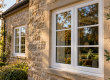
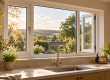
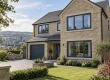
Dual colour windows let you choose a different finish for the outside and inside of your window. You might want a dark frame against the brickwork but a light frame beside your living-room walls. With an appropriate window system, those two preferences do not have to compete.
For homeowners in Bradford and West Yorkshire, the appeal is practical as well as visual. The exterior needs to work with stone, brick, render and neighbouring windows, while the interior needs to suit your rooms. Choosing each side deliberately can produce a more coordinated result than selecting one colour from a small online image.
This Glass Tec Windows guide explains seven smart choices to make when specifying dual colour windows. It also covers sample checks, matching accessories, quotation details and questions to ask before the order goes into manufacture.
The quick answer: choose the outside and inside finishes separately, then confirm that your chosen window system supports the combination. Review real samples and specify the frame, opening sash, cills, trims and hardware in writing.
What are dual colour windows?
Dual colour windows have different finishes on their external and internal faces. A familiar example is a grey exterior with a white interior. Depending on the system and available finishes, other combinations may include wood-effect surfaces or different coloured finishes on either side.
This is different from choosing a coloured handle on a white window. The main frame surfaces themselves have different appearances. It is also different from decorative glass: the colour choice relates to the frame, while the glass is specified separately.
REHAU’s TOTAL70 brochure describes the option of different colours and finishes inside and outside. Glass Tec manufactures REHAU uPVC windows, making this a useful subject to discuss when requesting a quotation. The exact combination must still be checked for your product, dimensions and order.
On foiled uPVC products, a decorative laminate provides the selected surface finish. An aluminium product may use a different finishing process. Avoid assuming that a colour name describes an identical surface across every material or manufacturer.
1. Start with the exterior of your home
Begin with the elements you are keeping. Roof tiles, brickwork, stone surrounds, render, guttering and the front door already establish a palette. Your new windows will sit within that setting, so compare possible finishes against those materials before thinking about fashionable colours.
A dark frame can create a strong outline against pale render. A lighter finish may produce a softer contrast against stone. A wood-effect finish can introduce warmth. These are design possibilities, not rules: the size and spacing of the windows also affect the overall impression.
For a Yorkshire stone property, look closely at the stone in both dry and damp conditions. The same wall can appear warmer, cooler or darker as the weather changes. A sample that looks right beside a photograph may feel different when held against the actual opening.
Stand back across the garden or pavement where it is safe to do so. You normally see the house as a whole, not just a frame corner at arm’s length. Check whether the proposed colour works across the entire frontage and how it relates to windows on adjoining properties.
Dual colour windows are particularly useful when the exterior you prefer would feel too strong inside. You can establish a consistent street-facing appearance while choosing a different internal finish. However, if your property has restrictions affecting alterations, confirm what is acceptable before finalising a changed external appearance.
2. Choose the inside finish around your rooms
Once you have a shortlist for the exterior, consider the internal frame independently. Start with the finishes that are expensive or inconvenient to change: flooring, fitted kitchen units, tiles and built-in furniture. Paint and curtains may change several times during the life of a window.
A white or light internal frame can sit quietly beside pale walls and reveals. A dark internal frame can make a more deliberate feature of the window. A wood-effect surface may work with timber furniture or a warmer decorating scheme. The right answer depends on the room and your preferences.
Do not assume that a lighter frame physically increases the glazed area. Frame colour can change the visual impression, but it does not change the dimensions of an otherwise identical window. Daylight also depends on the glass, opening size and conditions outside.
Walk through connecting spaces before choosing. An open-plan kitchen and dining area may show several windows at once. A consistent internal finish can help those openings feel related, even if the furniture and wall colours differ.
With dual colour windows, you might keep a neutral finish throughout the interior and select a stronger exterior colour. Alternatively, you may prefer a darker internal frame in a contemporary space. Ask whether any room-by-room variation is available and what it would mean for the order, rather than assuming all combinations can be mixed freely.
3. Compare colour, texture and sheen together
A colour name is only part of the specification. Smooth, grained, matt and more reflective surfaces can look quite different even when their shades are similar. Light catches the texture of a woodgrain-effect foil differently from a smooth finish.
When comparing dual colour windows, ask to see the actual finish reference, not simply a general description such as grey, cream or oak. If a supplier gives a colour code, also confirm the finish type and manufacturer reference. The code alone may not describe texture or sheen.
REHAU’s colour brochure is a useful starting point for browsing its surface options. Use it to create a shortlist, then confirm the current choices available through Glass Tec for your selected system.
A wood-effect finish is not the same material as timber. Judge it on the sample you will receive rather than expecting it to have the irregular grain and changing appearance of natural wood. Equally, a grey uPVC foil and a grey aluminium finish may coordinate without looking identical at close range.
If you are matching an existing patio door, take its product details to the discussion where possible. “It looks like anthracite” gives the supplier much less information than a confirmed finish reference and a sample. Where an exact match is not possible, decide whether a deliberate contrast would look more convincing than a near match.
4. Coordinate cills, trims, handles and vents
The frame is the largest coloured component, but it is not the only one you will see. A well-planned specification considers the surrounding accessories so there are fewer surprises on installation day.
- External cills: confirm the visible finish and the appearance of end caps.
- Internal finishing trims: ask what is included and how it will relate to the internal frame.
- Handles: choose a finish you like and check the actual handle style.
- Ventilators: confirm the appearance of any visible internal and external components.
- Glazing beads and seals: ask to see how they look beside the chosen surface.
- Junctions: discuss where the window meets existing doors, cladding or other frames.
Matching does not have to mean that every component is the same colour. A contrasting handle can be intentional. The important point is that the combination is agreed, rather than discovered after fitting.
Ask to see a sample window both closed and open. When the sash opens, surfaces normally hidden from view become visible. The appearance of those areas depends on the product construction and finish specification; an exterior colour label alone does not explain every surface.
For dual colour windows, write “external” and “internal” beside each finish on the quotation. These labels are clearer than “front” and “back”, which can become ambiguous when discussing windows on different elevations of the house.
5. Confirm which window system supports your choices
Choose a finish within a suitable window system, rather than selecting a colour first and assuming every style will be available in it. Conventional casements, flush casements and tilt-and-turn designs may have different options, components and manufacturing requirements.
Glass Tec offers uPVC casement windows, tilt and turn windows and aluminium windows. Ask the team to confirm the available internal and external finishes for the particular product being quoted.
REHAU has documented a flush-fit installation with a grey exterior and white interior. That demonstrates the design principle, but it should not be read as a promise that every finish combination is available for every order.
The window still needs to suit its opening, glass specification, operation and exposure. Let the manufacturer confirm the appropriate construction for your dimensions and selected finish. Do not change those details informally after a survey or assume a different colour is always a like-for-like substitution.
Dual colour windows should also be compared on their complete performance. An attractive finish does not, by itself, establish thermal efficiency, security or weather resistance. Ask for the specification of the actual window and glazing you are buying.
6. Check real samples in more than one light
Online images help you explore ideas, but they are a poor final colour reference. Screen settings, photography, printing and the lighting in a showroom can all alter how a surface appears. A physical sample reduces uncertainty.
Take your shortlisted samples to the property if that is possible. Hold the exterior finish beside the brickwork or stone, then view the interior sample beside the reveal, flooring and fitted furniture. Keep the sample in the same orientation as the finished frame where practical.
Look in daylight and under the room’s normal artificial lighting. A finish that seems neutral at lunchtime may look warmer beside evening lighting. Check it from close up and from the other side of the room.
If two people are making the decision, review the same samples together. Comparing separate screenshots can lead to disagreement about colours that were never displayed consistently in the first place.
For dual colour windows, a corner sample or demonstration window can be especially helpful because it shows how the surfaces relate to one another. Ask which visible parts the sample represents and whether any accessories will use a different material or finish.
Record the selected references once you agree. Photographs of labelled samples are useful reminders, but the written manufacturer and finish references should remain the basis of the order.
7. Confirm price, timing and the complete order
Request a written quotation for your chosen dual colour windows rather than assuming the price of a white window applies. The effect on cost and manufacturing time depends on the system, finish availability, dimensions, quantity and other order details.
Ask whether your preferred combination is a standard option or needs a different manufacturing schedule. Obtain the expected timing for the actual specification before planning decorating or other work around a fitting date.
Check that a revised quotation still includes the same glass, hardware, installation scope and finishing work. Otherwise, an apparent colour-price difference may include other changes that make the comparison unfair.
If you are replacing windows in stages, keep a copy of the finish references and approved drawings. Future availability cannot be assumed, so discuss how important an exact later match is before splitting the project into separate orders.
The final sign-off for dual colour windows should identify the finish on each side of each opening. Read it as if you were seeing the project for the first time: could somebody else tell what needs to be made without relying on a conversation you had weeks earlier?
Colour combinations to discuss with your supplier
The following ideas are starting points for a design conversation, not a stock list. Glass Tec should confirm whether a proposed combination is available for your selected product.
| Design aim | Exterior idea | Interior idea | What to check |
|---|---|---|---|
| Strong exterior contrast with a quiet interior | A dark grey finish | White or another available light finish | Compare the grey with roofline and door finishes. |
| A warmer traditional appearance | An available wood-effect finish | A neutral internal finish | Inspect the grain and its appearance beside the masonry. |
| A softer exterior palette | An available light or muted finish | A finish that suits the room | Check undertones against stone, render and interior paint. |
| A deliberate interior feature | A finish suited to the frontage | An available darker internal finish | Review the frame beside blinds, worktops and flooring. |
Three ways to plan dual colour windows around a real home
A stone terrace with a light interior
Imagine a homeowner who prefers a darker external frame against the stone but has pale walls and painted internal joinery. A light internal finish could retain that softer room palette while the exterior takes on a more defined appearance.
The useful comparison is not simply dark versus light. It is the proposed exterior beside the actual stone, and the proposed interior beside the reveal and skirting. Include the cill and handle in the sample review so the finished opening feels considered.
A modern kitchen at the back of an older house
A kitchen renovation may introduce finishes that differ from the rest of the property. Dual colour windows can give you more freedom to coordinate the room without automatically changing the external palette used elsewhere.
Review the window from the main entrance to the kitchen, not only while standing at the sink. Compare it with any glazed door visible in the same space. If the two products use different materials, view samples together and decide whether you want coordination or an exact match.
A home being updated one room at a time
If the furniture and wall colours are likely to change, a versatile internal finish may be more useful than matching a temporary decorating scheme. The external choice can still be made around the long-term appearance of the house.
Keep the finish references with your home-improvement records. If later work includes another window or a replacement door, those details provide a clearer starting point than an old photograph. Discuss availability again at that stage; do not assume an earlier finish will remain unchanged indefinitely.
A simple specification checklist
Before approving dual colour windows, make sure the order answers these questions:
- Which window system and opening style is being supplied?
- What is the exact external finish reference?
- What is the exact internal finish reference?
- Are the surfaces smooth, grained or another specified texture?
- What do you see when the opening sash is open?
- Which cills, trims, end caps and handles are included?
- How will any visible ventilators and seals look?
- Are glass and performance specifications recorded separately?
- What installation and finishing work is included?
- What timing, care instructions and written guarantee terms apply?
Use one labelled schedule if different windows have different combinations. For example, identify each opening by room and location, then list external finish, internal finish and handle finish on the same row. Clear labels help prevent an interior choice being applied to the wrong elevation or opening.
Caring for different window finishes
Ask for care guidance for the exact surfaces supplied. Different frame finishes and hardware can have different cleaning requirements, so avoid treating a coloured foil, painted surface and metal handle as if they were the same material.
Follow the manufacturer’s recommended cleaning products and methods. Do not use abrasive pads or experiment with strong solvents to remove a stubborn mark without checking suitability first. If building work is continuing after installation, agree how the windows will be protected from plaster, cement, paint and accidental damage.
Keep the product references and written care information with your order. If a mark or damaged component needs attention later, identifying the actual finish is more useful than describing it only as grey or woodgrain.
Frequently asked questions about dual colour windows
Can windows be grey outside and white inside?
Yes, suitable systems can offer this combination. Confirm the specific shade, surface texture and availability for the window you are ordering. A general grey description is not enough to establish an exact match with other products.
Do dual colour windows cost more?
They can have a different price from an otherwise comparable single-finish option, but there is no reliable universal percentage. Ask for like-for-like quotations using the same sizes, glass, hardware and installation scope.
Is a wood-effect frame made from timber?
Not necessarily. A wood-effect finish on a uPVC window describes its surface appearance. Confirm the underlying frame material and inspect a sample if the texture and grain are important to your choice.
Can the internal colour differ between rooms?
Potentially, where the selected products and available finishes allow it. Ask Glass Tec to confirm the combinations, cost and manufacturing arrangements, and record each opening separately on the order.
Will the frame colour change energy efficiency?
Colour alone is not a useful way to compare the thermal performance of finished windows. Review the whole-window specification, glazing and installation details. Choose the finish alongside those requirements rather than using appearance as a performance rating.
Can I paint the inside later instead?
Do not assume repainting is an equivalent alternative to choosing the right factory finish. Compatibility, preparation and guarantee terms depend on the original surface and proposed treatment. Check with the manufacturer before applying paint or another coating.
Will new windows exactly match my existing door?
Not automatically. Similar colour names can refer to different materials, textures and levels of sheen. Compare labelled samples together and agree whether the objective is an exact match or a coordinated combination.
Discuss your colour choices with Glass Tec Windows
Dual colour windows give you a useful way to plan the exterior and interior of your home separately. The best result comes from choosing the complete combination: frame system, finish, texture, accessories and glazing.
Glass Tec Windows manufactures REHAU uPVC windows in Bradford and works with homeowners across West Yorkshire. Bring photographs of the house, details of existing doors and a shortlist of finishes to help the team understand your priorities.
Contact Glass Tec Windows to discuss available colour combinations and request a quotation, or call 0800 118 2175. Ask for real finish samples and a written specification for both sides of your new windows.