Low-E Glass and How It Improves Double Glazing in 2026
Low-E glass is one of the most important parts of modern energy-efficient double glazing. It looks similar to ordinary window glass, but it has a very thin low-emissivity coating designed to reduce the amount of heat that escapes through the window. For homeowners comparing replacement windows, understanding how it works makes it much easier to judge whether a glazing specification is genuinely efficient.
The coating does not work alone. The glass, sealed cavity, spacer bar, frame, seals and quality of installation all affect the performance of the finished window. That is why it is better to look at the complete window system
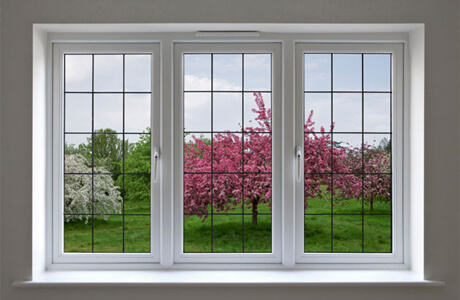 rather than one feature in isolation.
What Is Low-E Glass?
Low-E glass means low-emissivity glass. A microscopically thin coating is applied to one surface of the pane to help control radiant heat transfer. The coating is designed to reflect more heat back towards the warmer side of the glazing while still allowing natural daylight to enter the room.
This makes low-emissivity glazing useful in double and triple glazing, especially in homes where reducing unwanted heat loss is a priority. The Energy Saving Trust explains that low-emissivity glass is used in energy-efficient windows because its coating helps reflect heat back into the room.
How Does Low-E Glass Work?
The coating helps reduce one of the ways heat moves through glazing. In colder weather, warm surfaces inside your home radiate heat. Standard glass allows more of that energy to pass through the window, while a low-emissivity coating reduces the amount that is radiated away.
The result is not that the glass becomes completely heat-proof. Instead, the coating improves the thermal performance of the sealed glazing unit. You still get daylight and a clear view, but the window is better equipped to limit heat transfer.
How Low-E Glass Works in Double Glazing
A modern double-glazed unit normally uses two panes of glass separated by a sealed cavity. That cavity may contain air or an insulating gas such as argon. Around the edge is a spacer bar that keeps the panes apart and helps maintain the sealed gap.
When Low-E glass is used as part of this system, it works alongside the cavity, gas fill, spacer technology and frame. Each component has a different job. The specialist coating reduces radiant heat transfer, while the cavity and gas help reduce heat movement between the two panes.
This is why two windows can both be described as double glazed and still perform differently. Their glass specification, frame design, spacer technology and other components may not be the same.
Low-E Glass vs Ordinary Glass
Ordinary clear glass does not have the same specialist low-emissivity coating. It can still be used as part of glazing, but it does less to control radiant heat transfer.
Low-E glass is therefore a useful feature where energy efficiency matters. The difference may not be obvious simply by looking through the window, because the coating is designed to remain transparent. What matters is the effect it has as part of the complete glazing system.
For homeowners, the important question is not whether the pane looks different. It is whether the full window has a suitable energy rating or U-value for the property.
Does Low-E Glass Make a Window Energy Efficient on Its Own?
No. A low-emissivity pane is important, but it is only one part of an energy-efficient window.
A complete window also depends on the quality of the frame, spacer bar, sealed cavity, gas fill, seals and installation. If one part performs badly, the overall result can be weaker even if the glass itself is good.
This is why it is worth comparing whole-window performance rather than choosing a product based on one marketing phrase. The British Fenestration Rating Council explains how window energy ratings consider factors such as heat loss, solar gain and air leakage, giving homeowners a broader view of performance.
If you are considering replacements, you can also explore Glass Tec’s energy-efficient A-rated windows for more information about available window options.
Low-E Glass, U-Values and Window Energy Ratings
A U-value measures how easily heat passes through a building element. In simple terms, a lower U-value means less heat is being transferred through the window.
Window Energy Ratings look at more than heat loss alone. They can also take account of solar gain and air leakage. That makes them useful when comparing different replacement window systems.
The specialist coating can contribute to better performance, but it should always be considered alongside the rest of the window. If you are getting quotes, ask what performance figure applies to the complete window rather than only asking what type of glass is fitted.
Can Low-E Glass Cause Condensation Outside?
Sometimes, yes. Efficient glazing can make the outer pane colder because less heat from inside the home is reaching it. Under the right weather conditions, moisture in the outside air can then condense on the external surface.
External condensation is not the same thing as misting between the panes. Moisture trapped inside a sealed unit can indicate that the seal has failed, while moisture on the outside surface can simply be a result of the glazing working efficiently.
If your window is misted between the panes, read our guide to misted window replacement in West Yorkshire for more information.
What Should You Ask When Comparing New Windows?
When comparing replacement windows, ask about the full specification. Find out whether the glazing uses Low-E glass, what type of spacer bar is fitted, whether the cavity contains an insulating gas, and what energy rating or U-value applies to the complete window.
It is also worth asking who manufactures the window and who will install it. Good components still need to be combined properly and fitted correctly if the finished product is going to perform as expected.
Glass Tec Windows manufactures replacement windows in Bradford for homes across West Yorkshire. If you are comparing your options, browse our main replacement windows range to see the different systems available.
Is Low-E Glass Worth It?
For modern energy-efficient glazing, the technology is a valuable part of the specification. It can help reduce heat transfer through the glazing while still allowing natural light into your home.
The key thing is not to treat it as a magic feature. A strong window specification brings together the glass, spacer, sealed cavity, frame, seals and installation. When those parts are designed to work together, the result can be far more effective than focusing on one component alone.
Frequently Asked Questions
What does Low-E mean?
Low-E stands for low emissivity. It refers to glass with a specialist coating designed to reduce radiant heat transfer.
Is low-emissivity glass used in double glazing?
Yes. It is commonly used as part of modern double and triple-glazed window systems.
Can you see the coating?
Usually, it is not obvious in normal use. The coating is designed to allow visible light through while helping control heat transfer.
Does the coating stop all heat loss?
No. It reduces one part of the heat-transfer process, but the complete window specification determines overall performance.
Is low-emissivity glass the same as double glazing?
No. Double glazing describes a sealed unit with two panes of glass. Low-E describes a specialist coating applied to one of the glass surfaces.
Choosing Energy-Efficient Windows in Bradford and West Yorkshire
If you are replacing old windows, do not judge a product only by whether it is described as double glazed. Look at the full window specification and ask how the glass, frame, spacer, cavity and seals work together.
Low-E glass can make an important contribution to the performance of a modern window, but it is most effective as part of a properly designed system. To compare your options, explore our energy-efficient A-rated windows or contact Glass Tec Windows for a quotation.